Understanding the Impact of Cigarette Smoke on Electronics

How Cigarette Smoke Affects Electronics
Cigarette smoke is composed of a variety of chemicals, including tar and nicotine, both of which are sticky substances. When these substances are released into the air, they can settle on the surfaces of electronic components. Over time, this build-up can cause serious issues like overheating, short-circuiting, and corrosion. Dust particles in the air can easily cling to the sticky tar and nicotine residue, exacerbating the problem by further blocking crucial ventilation paths.
The Role of Environmental Conditions
Certain environmental conditions can amplify the negative effects of cigarette smoke on electronics. For example, high humidity can accelerate the corrosion process, primarily when sticky residues are already present on surfaces. This is particularly concerning for delicate components such as circuit boards, connectors, and any exposed metal, which can experience increased wear and tear over time.
Impact on Different Components
- Motherboard: Nicotine and tar deposits can cause conductivity changes, leading to potential short circuits.
- Keyboards: Keys can become sticky or non-functional due to tar build-up under the keys.
- Display Screens: Smoke residues can damage the protective coating of screens, causing discoloration and clarity issues.
- Fans and Vents: As cigarette smoke particles accumulate, they can block air vents and fans, leading to overheating.
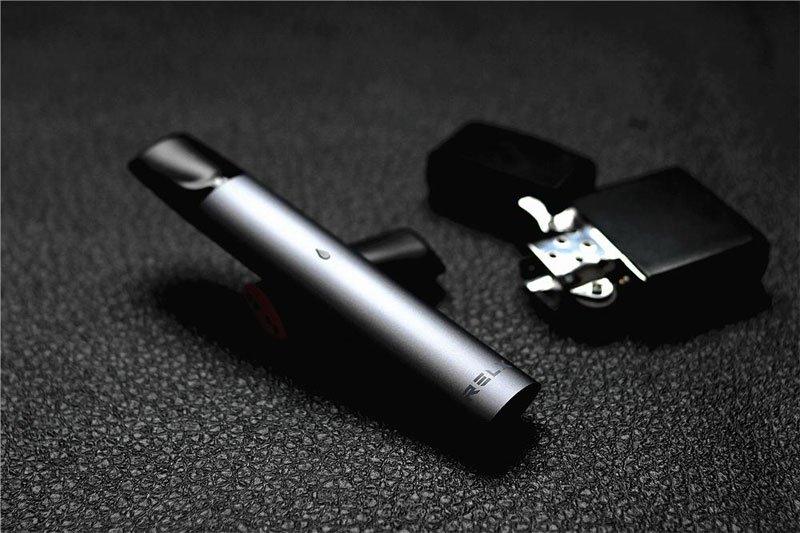
Almost all electronic devices are at risk, but personal computing devices, televisions, and gaming consoles are particularly vulnerable because of their exposure levels and complexity.
Prevention and Maintenance Tips
While it might be challenging to avoid exposure entirely if you smoke indoors regularly, there are several steps you can take to mitigate the damage. Regular maintenance, such as cleaning your devices with isopropyl alcohol, especially around vents and airflow paths, can help. Consider using air purifier systems to reduce airborne contaminants. Additionally, creating designated non-smoking areas for using electronics can be beneficial.
Conclusion
In summary, cigarette smoke can significantly damage electronic devices over time, impacting everything from functionality to lifespan. By understanding the risks and taking proactive steps toward maintenance and prevention, you can help protect your valuable electronics from the harmful effects of cigarette smoke.
Frequently Asked Questions (FAQs)
1. Can cleaning my electronics remove cigarette smoke residues?

Yes, cleaning can remove some residues, but it may not eliminate all sticky deposits completely. Regular cleaning with appropriate electronic-safe cleaners can minimize build-up.
2. How can I protect my electronics if I can’t avoid smoking indoors?
Using air purifiers, setting up a dedicated smoking area away from electronics, and ensuring proper ventilation can offer some level of protection for your devices.
3. Can cigarette smoke void the warranty on electronic devices?
Some manufacturers may not cover damage attributed to environmental conditions like cigarette smoke. It’s best to check specific warranty terms and conditions.