Understanding Safety Regulations for Traveling with Electronic Cigarettes
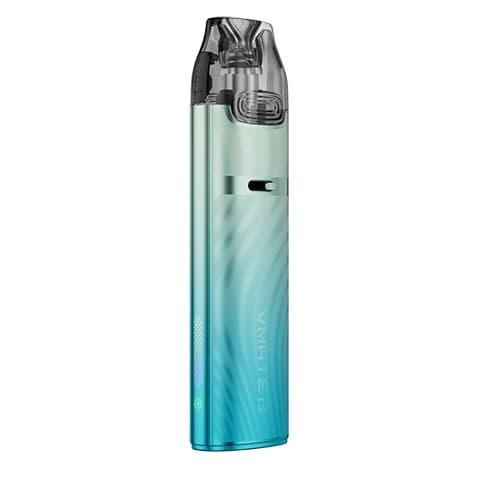
Airport security and airlines prioritize safety above all else. Most international and domestic carriers allow passengers to bring electronic cigarettes, but only under specific conditions. According to the Transportation Security Administration (TSA), vaping devices must always be transported in your carry-on luggage or kept on your person—they are not permitted in checked baggage due to the fire hazard posed by lithium batteries. Learning the regulations before your trip reduces stress and ensures compliance, so you won’t lose your device.
Can I Use My E-cigarette During the Flight?
While carrying an e-cigarette is generally allowed, using it onboard is strictly prohibited on almost every airline. Smoking and vaping of any kind, including e-cigarettes and heated tobacco products, is banned during flights. Violating these rules can result in fines, confiscation of your device, or being added to the airline’s no-fly list. It’s crucial to respect the airline’s policies to avoid unnecessary consequences.
Packing Tips: How to Bring Your E-cigarette and E-liquids
- Always keep your vape device in your carry-on bag or pocket.
- Remove tanks or cartridges if possible, especially while flying, to prevent leakage from cabin pressure changes.
- Liquids, including vape juice, must comply with the airline’s liquid policy—usually containers under 100ml and placed in a clear resealable bag with your other liquid items.
- Turn off all devices to prevent accidental activation, and check if your model comes with a safety lock feature.
- Check with your airline for any additional rules, as restrictions may vary depending on carrier or destination country.
Are There Country-Specific Restrictions on Vapes?
Certain countries impose strict laws on both the possession and use of electronic cigarettes. Before flying, research the rules of your destination. For example, locations like Thailand, India, Singapore, and Brazil have banned e-cigarettes entirely; travelers caught with these devices may face hefty fines or even jail time. Some European countries and U.S. states have specific regulations on nicotine concentrations and where you can use e-cigarettes, so it’s best to double-check local laws.
Why Can’t I Put My Electronic Cigarette in Checked Baggage?
The core issue is battery safety. Lithium-ion batteries, which power most e-cigarettes, present a fire risk if damaged or accidentally activated. In the pressurized and sometimes jostled environment of the airplane’s cargo hold, there’s a higher risk of malfunction or fire that cannot be quickly addressed by crew; this is why all battery-powered vaping devices are forbidden in checked baggage by international aviation standards.
How Should I Store E-liquids and Spare Batteries?
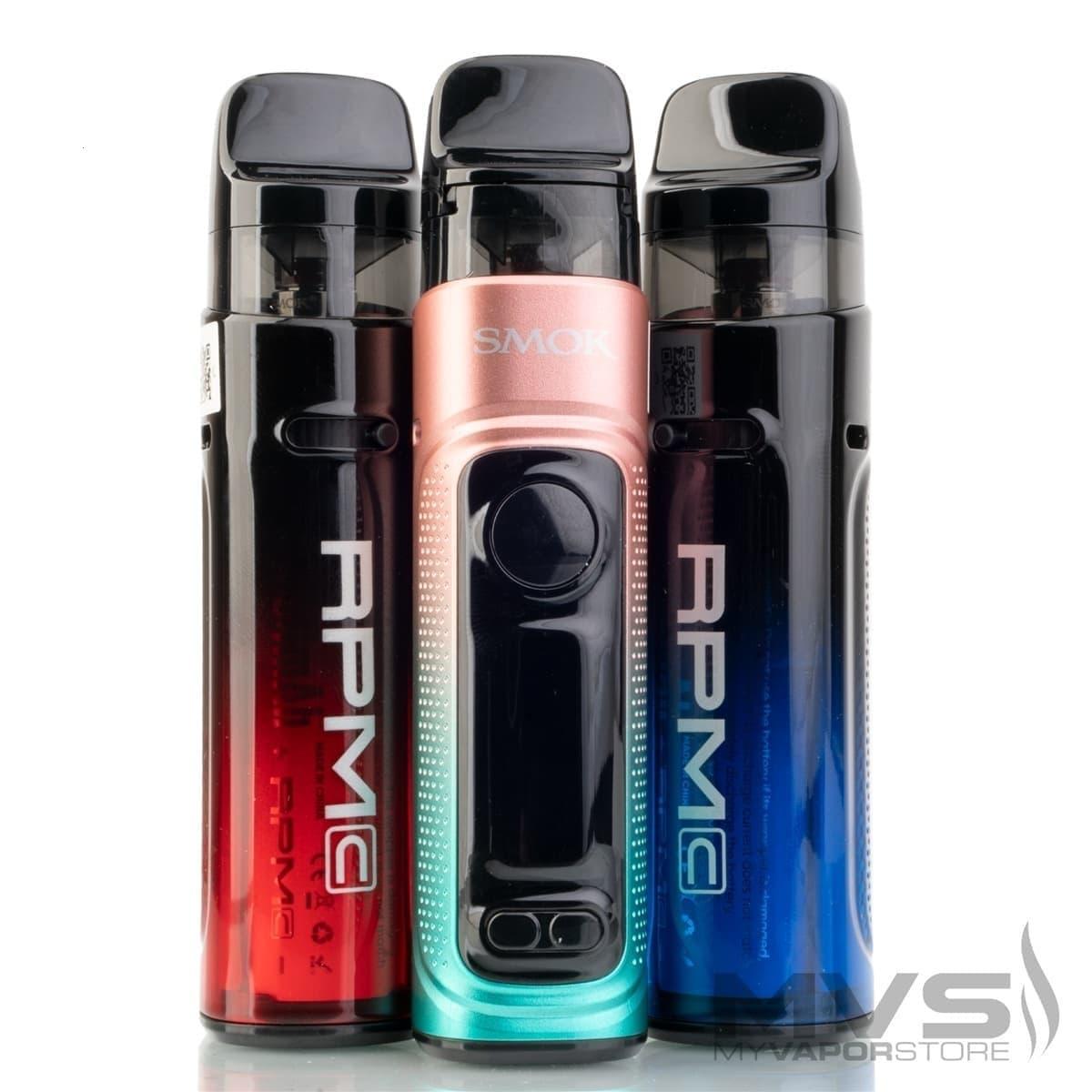
When flying, carry e-liquids in bottles of under 100ml as per standard liquid limits, and place bottles in a quart-sized, transparent bag. Spare batteries should be carried in proper battery cases to avoid contact with metal objects such as coins or keys, minimizing the risk of short-circuiting. Never pack loose batteries in checked bags.
Best Practices for Responsible Vaping while Traveling
- Research the laws of every point along your journey: layover airports, destination countries, and return flights all might have different attitudes towards vaping.
- Carry documentation if necessary. Some destinations may require proof that your device is for personal use and not for commercial purposes.
- Charge your vape device fully before flying, but avoid charging them on the plane or in unsafe locations to prevent overheating the battery.
- Practice discretion in designated smoking areas inside airports and only use your device where permitted by law.
What Are the Penalties for Breaking Rules on Flying with E-cigarettes?
Airlines and airport authorities enforce strict penalties for non-compliance. Breaking these regulations might cost travelers from device confiscation up to several thousand dollars in fines or criminal charges. Knowledge and preparation can protect your property and save time at checkpoints.
Can I Buy E-cigarettes or Liquids at Duty-Free?
Some duty-free shops sell e-cigarettes and vaping liquids, but regulations on purchase, importation, and use at your destination vary. Ensure that the products you buy meet the standards in the country you’re entering, and always keep your receipts for proof of purchase if questioned by customs.


Conclusion: Essential Reminders for Flying with Electronic Cigarettes
In summary, for those wondering “can I bring electronic cigarette on plane,” the answer is generally “yes”—if rules are followed. Always keep your e-cigarette and spare batteries in your carry-on, respect all liquid restrictions, check country-specific laws, and never use vaping devices on flights. Traveling responsibly ensures you can enjoy your device safely and legally wherever your trip takes you.
Frequently Asked Questions
- Can I charge my vape device on an airplane?
- No, most airlines specifically prohibit charging vape devices during the flight due to fire risks related to lithium batteries.
- Are disposable vapes subject to the same carry-on rules?
- Yes, all vaping devices, whether refillable or disposable, must be transported in carry-on luggage and not checked bags.
- What should I do if my destination bans e-cigarettes?
- It’s best to leave your e-cigarette at home to avoid penalties. If you must bring it for a layover, ensure you do not use or display it and review security rules at each airport along the way.