E-cigarettes, also known as electronic cigarettes, have become a popular alternative to traditional smoking methods. In Japan, the regulation surrounding the use of e-cigarettes is particularly stringent. The country is known for its comprehensive regulations regarding tobacco products, and e-cigarettes are no exception. Japan e-cigarette regulation is influenced by both public health concerns and cultural factors, making it unique in the global landscape.
Overview of E-cigarette Regulations in Japan
Japan’s approach to e-cigarette regulation is distinctively characterized by the classification of these devices. The Japanese government categorizes e-cigarettes with nicotine as pharmaceuticals. This classification subjects them to strict regulations similar to those applied to medicines. As a result, the sale of nicotine-containing e-cigarettes is heavily restricted unless they have been approved as medical products, which is a rare occurrence.
On the other hand, non-nicotine e-cigarettes, often considered “vape devices,” are more widely available and do not face the pharmaceutical constraints. However, the advertising and promotion of these products are restricted to prevent appeal to minors and to limit overall usage. The overarching objective is to mitigate health risks associated with smoking and vaping.
Impact of Japan’s E-cigarette Regulation on Consumers
The stringent regulation of nicotine-containing e-cigarettes has led Japanese consumers to predominantly use non-nicotine alternatives. This has resulted in a unique market dynamic where technological advancements focus on flavor and vapor production rather than nicotine delivery. Consumers in Japan often find themselves looking for other sources to obtain nicotine-based products, which may include obtaining products from overseas, though this is not without its own legal risks and limitations.
These regulations have also sparked interest in heat-not-burn (HNB) products, which have gained popularity as they provide a nicotine hit legally within Japan’s regulatory framework. HNB devices, like Philip Morris’ IQOS, heat tobacco sticks without burning them, releasing a tobacco-flavored vapor with lower nicotine levels compared to traditional smoking.
Cultural and Health Considerations

The regulatory stance on e-cigarettes is partly influenced by the Japanese government’s dedication to reducing smoking rates and improving public health. Public smoking bans are extensive, and the government has launched campaigns to educate the public about smoking risks. Furthermore, there is a cultural component in Japan that favors reduced visibility and odor of smoking, further supporting the popularity of non-nicotine vaping devices and HNB products.
Prospects for Future E-cigarette Policy in Japan
The future of e-cigarette regulations in Japan could be shaped by ongoing research and international trends. As evidence about the health implications of e-cigarettes emerges, Japanese authorities may consider adjusting their policies to align with scientific findings. There could also be a shift to how the harm reduction potential of e-cigarettes is perceived in comparison to traditional tobacco products.
If Japan’s health objectives are met, there may be additional incentives for e-cigarette companies to develop low-risk products for consideration within the country. However, given the cautious regulatory environment, any policy changes are expected to be implemented judiciously.
FAQs on Japan E-cigarette Regulation

1. Are e-cigarettes with nicotine banned in Japan? No, they are not banned, but they are regulated as pharmaceutical products. Obtaining approval for sale is complicated and uncommon.
2. What are heat-not-burn products?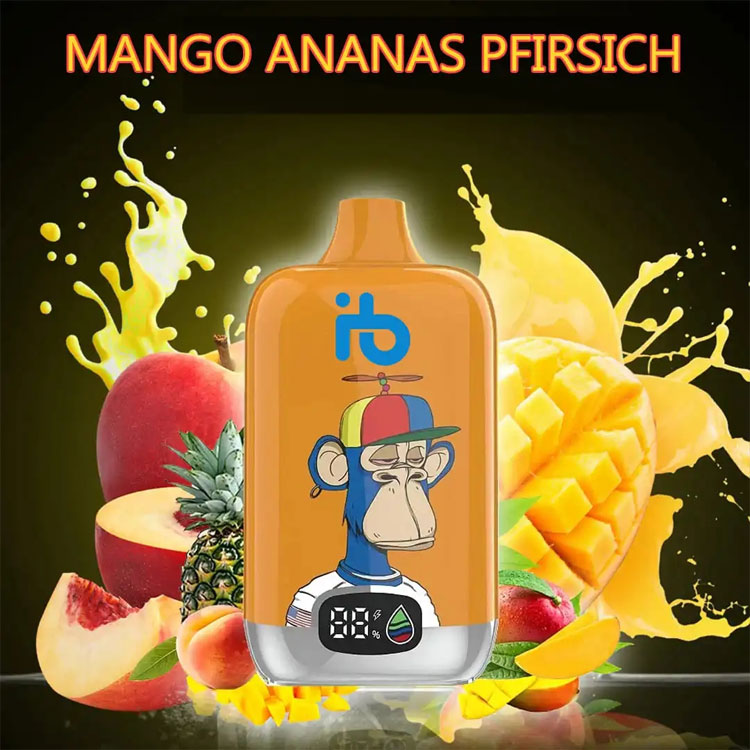 These are devices that heat tobacco instead of burning it, reducing harmful chemicals in the vapor compared to traditional cigarettes.
3. Can tourists bring e-cigarettes to Japan? Tourists can bring non-nicotine e-cigarettes for personal use, but there are restrictions on the quantity and possibility of confiscation if attempting to import nicotine products without a permit.